At Culinary Concepts AB (CCAB), we believe that real transformation is only possible through unity, passion, and partnership.
This month, we sat down with AJ Sam, our program-partner from Richmond Public Schools and Founder of RECS, a local non-profit that mentors justice-involved young adults. We discussed the ongoing work of his RECS initiative, how we “bookend” culinary training with life-changing support, and the powerful stories of the students leading the way and making it all possible.
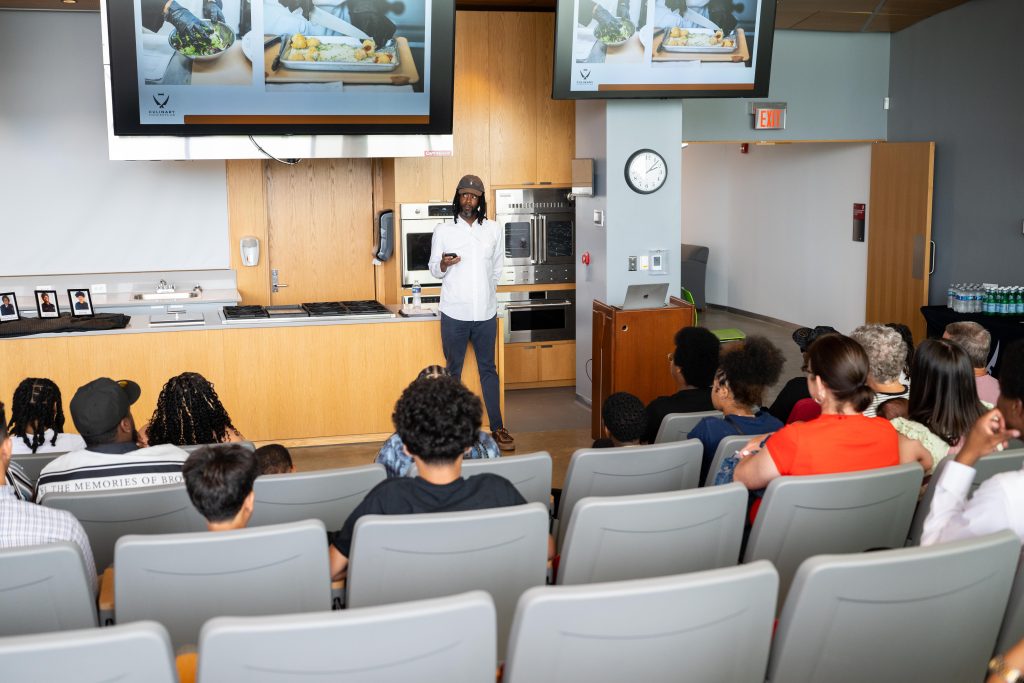
Wilson McLean: AJ, your work spans enrollment for Richmond Public Schools and leading an independent non-profit that helps justice-involved youth through guidance, mentorship, and life skills development. When you look at the students we serve, what is the core challenge they are navigating?
AJ Sam: Often, people see the neighborhood or their background and make assumptions. But the challenge is rarely just “behavioral.” It’s environmental and usually much bigger than the person. For our students in the past Go Cook cohort, the obstacles are difficult, daily, and real: neighborhood safety, transportation, caregiving for siblings, housing instability, and family health crises. If we use a one-size-fits-all approach, we fail them. Our work requires personalized support and lots of wraparound services—meeting them where they are to ensure they have the stability to show up and succeed.
Wilson McLean: We often talk about how culinary work provides a great life foundation for the students. But what does that actually look like in practice?
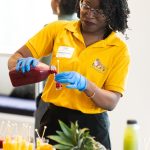
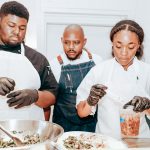
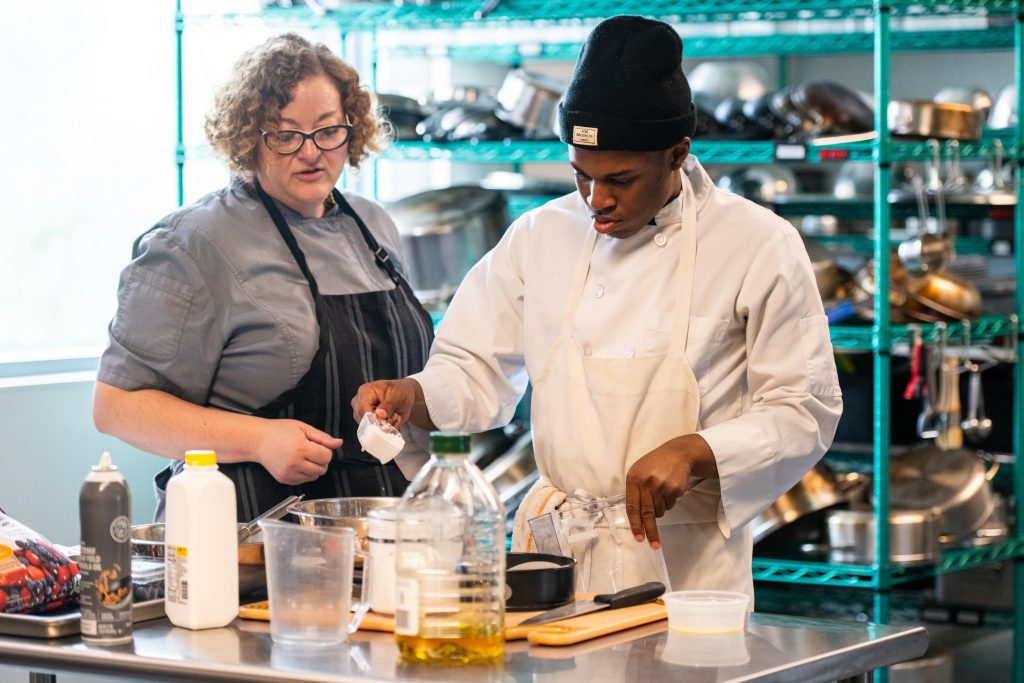 AJ Sam: It’s about so much more than the culinary or soft skills. It’s about building confidence, relationships, and community. It’s about supporting entire families. When our students hosted the recent culinary pop-up, the feedback they received from attendees changed everything. It solidified their belief that they are not defined by their past and that they have really bright futures ahead, providing them with a pivotal fresh start, hope, and a promising career pathway.
Wilson McLean: Can You Give Me an Example of This?
AJ Sam: Man, there are so many. There’s Raja, who has two parents that are on disability and unable to work, and he participated in the program in order to get into culinary school and earn a decent wage so he can take care of them. Or, there’s Karla, who despite being only 19 years old, is in charge of looking after her younger siblings in a difficult neighborhood and without a car or stable transportation. And, one of our biggest successes during the program, was Cody, who was able to come off probation through successfully completing the program. His probation officer actually attended the pop-up and saw the progress firsthand, which was a key turning point for the judge’s decision to let him off probation. That’s the kind of impact we are striving for—real, tangible outcomes that prevent long-term failure and sustainable success.
Wilson McLean: And that leads us to the “bookend” approach we’ve taken—combining our workforce development work and professional skills training with your advocacy and mentorship. Why is that collaboration so critical?
AJ Sam: Because the 12-week program is just one chapter. We are there before the culinary experience starts and well after it ends. We provide five hours of weekly advocacy and mentorship per youth—helping with everything from ID acquisition to banking to navigating family crises or the violence in their neighborhoods. Culinary training provides the skill-building, certifications, and career pathway, but our partnership ensures they have a safety net and a roadmap for whatever career pivot they choose to make later. And for this program, that means supporting students as they pursue promising new careers at major hospitality groups and in Reynolds Community College Culinary Program.
Wilson McLean: What is the bigger story about this work that you think more people need to hear?
AJ Sam: We need to talk about the students’ resilience, perseverance, and their overcoming major obstacles. They aren’t just “justice-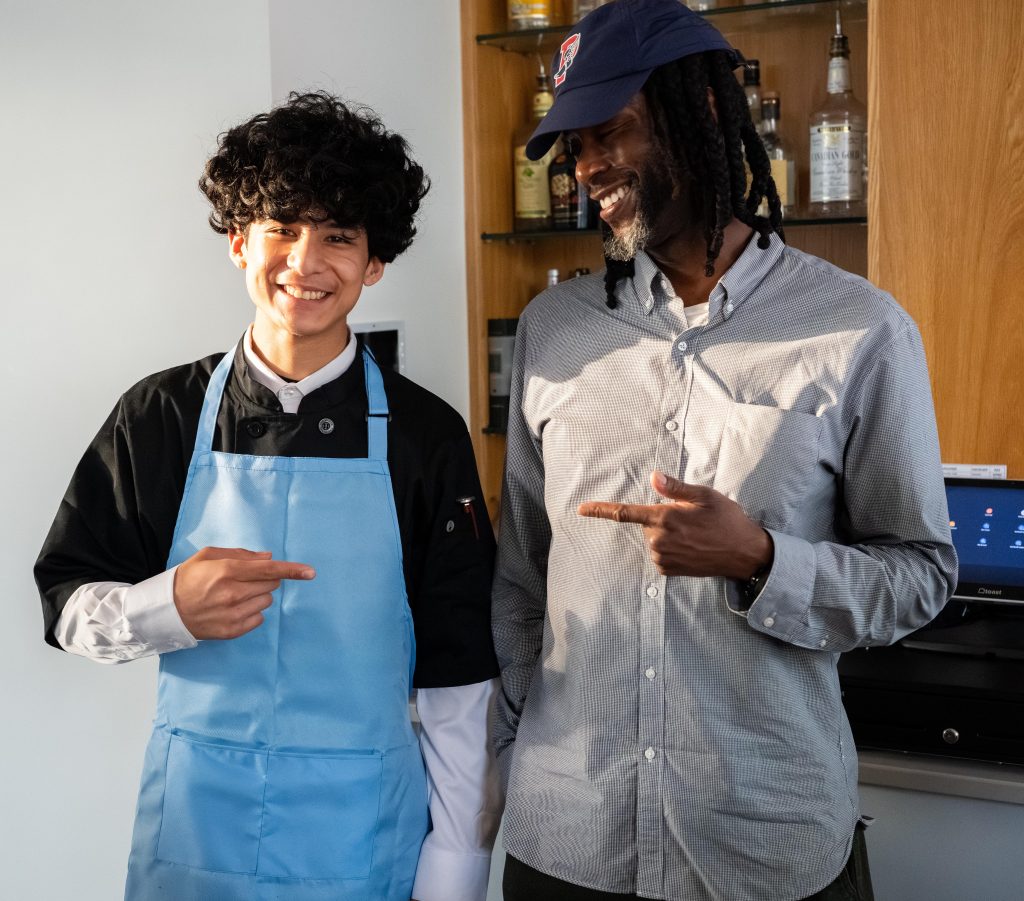 impacted youth”; they are young people navigating incredible pressure due to many unfavorable conditions outside of their control, such as violence, complex family issues, and mental health struggles. When we focus on each person and their unique histories, context, and challenges, we don’t just see numbers or a student. We see a beautiful person with a bright, hopeful future that can help people, families, and communities not only heal but flourish. And that’s always a story worth telling.
Wilson McLean: Finally, is there anything else we should know about you and our partnership?
AJ Sam: I think it is to reiterate that it truly takes a village to help a person get set up for lasting success. We’ve all struggled and we know that we can’t do it alone, ever. That is why our partnership with Culinary Concepts AB, Richmond Public Schools, Reynolds, and VRLTA is not only so impactful but essential. Working together, we each brought a critical piece of the puzzle, and ultimately our village empowered these young adults to create a foundation for success in every aspect of their lives.
About RECS
Richmond Educational Community Services (RECS) is changing the narrative for formerly incarcerated youth. By focusing on the ambitions of youth who may not have had the chance to explore their potential, RECS engages justice-involved individuals ages 15-18 to achieve educational goals, prepare for employment, and connect with postsecondary career planning. Through holistically mentoring and hands-on advocacy, RECS provides an overlooked population with a true pipeline to living-wage employment and self-sufficiency.
LEARN MORE ABOUT GO COOK LET’S CONNECT