
A Dual-Impact Model for Economic and Social Resilience
Providing a clear path from incarceration to a rewarding career in the culinary arts.
The United States faces a dual crisis that burdens both its economic and social systems: a persistent labor shortage in the hospitality industry and an entrenched cycle of recidivism among formerly incarcerated individuals.
The Hospitality Industry's Talent Deficit
The hospitality and food service sector, a foundational component of the U.S. economy, is currently experiencing a critical labor shortage that undermines its growth and stability. Despite being a major employer, restaurants and food service businesses struggle to recruit and retain skilled staff. The American Hotel & Lodging Association (AHLA) reports that the total number of hotel employees remains significantly below pre-pandemic levels,
with a shortfall of over 196,000 workers compared to early 2020. This deficit is a reflection of a broader nationwide workforce shortage, where the Bureau of Labor Statistics indicates millions more job openings than unemployed people to fill them.
 This ongoing labor deficit is not merely a short-term inconvenience; it is a symptom of a deeper, systemic issue within the industry. Traditional culinary education models have seen a decline in enrollment, failing to adequately connect with and prepare today’s workforce for the demands of the modern industry. This creates a fundamental supply and demand gap, leaving both employers and job seekers at a significant disadvantage. The consequences of this instability are far-reaching, leading to operational inefficiencies, reduced service quality, and a perpetual struggle for businesses to meet demand. The persistent challenge for businesses is not just finding available workers, but identifying a reliable source of qualified, dedicated individuals to stabilize their operations.
Beyond Hard Skills
Beyond the sheer numbers of the labor shortage, the hospitality industry faces a profound skills mismatch that contributes to its instability. The provided research highlights a disconnect where potential employees often “lack the understanding of the industry, language, or skills required to succeed”. While technical proficiencies such as knife skills and food safety are essential, they are insufficient to ensure long-term career success and employee retention.
The industry is plagued by persistently high employee turnover rates, which are not just an operational challenge but a massive financial drain. Data indicates that the average annual turnover rate for the restaurant industry can exceed 75%. This consistently high rate represents a significant financial cost, with the expense of replacing a single employee estimated at approximately $5,800, which includes recruiting, hiring, and training costs. This financial burden underscores that a training program focused solely on hard skills would fail to address a primary cause of industry instability. The high rate of churn and burnout is often a direct result of deficiencies in non-technical capabilities, such as communication breakdowns, poor teamwork, and an inability to manage stress in a demanding work environment. A truly effective solution must, therefore, go beyond basic culinary techniques to foster the core competencies that lead to lasting professional success and a positive workplace culture.
A Holistic Framework for Transformation
The Phoenix Program is a unique and innovative solution that addresses the dual crisis of workforce shortage and recidivism through a holistic, life skills-based culinary training initiative. Operating under a social entrepreneurial model, the program’s philosophy is rooted in using culinary training as the primary vehicle for profound personal and professional development. The program is structured as an intensive, 6-week course, with participants engaging for over 60 hours of total instruction.
The program’s methodology is built on three foundational pillars designed to produce high-impact results: comprehensive culinary training, direct connections between certified graduates and partner employers, and the provision of continuous training opportunities to support career advancement. This integrated approach ensures that graduates are not only technically proficient but are also equipped with the essential life and soft skills required for long-term success.
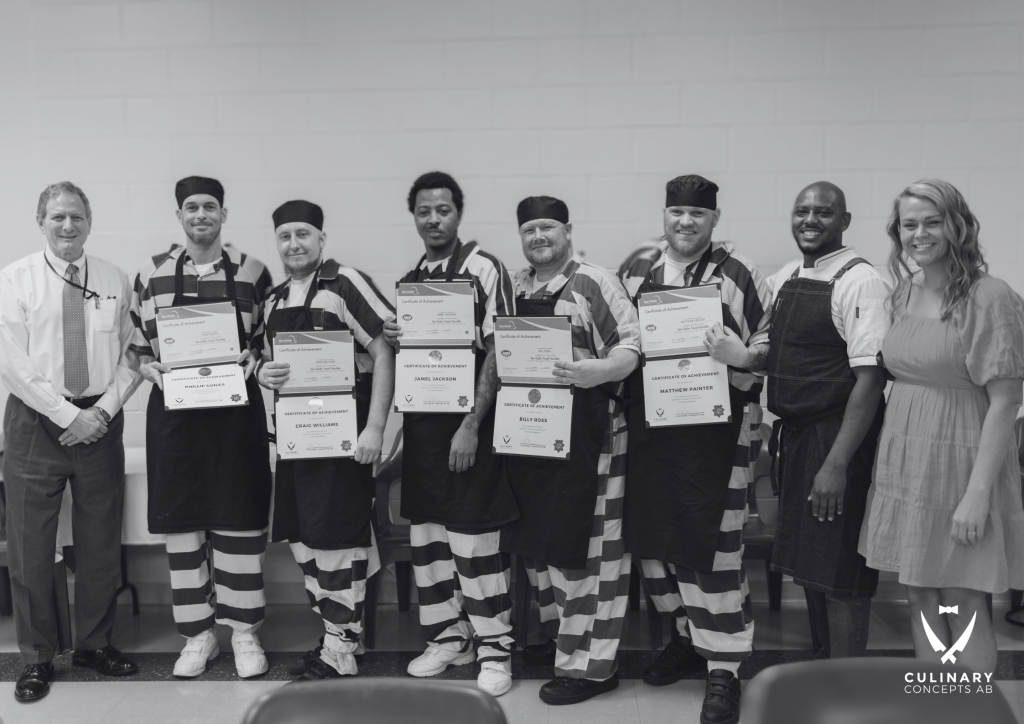
Reducing Recidivism

The Phoenix Program directly confronts the crisis of recidivism, which is a significant societal burden. Over half of individuals released from municipal jails return within 3-6 months, and more than two-thirds of state prison releases are re-arrested within three years. The program’s central intervention is providing stable employment, which is a powerful deterrent to repeat offenses. The program’s exceptional job placement rate of 90% is, therefore, a direct contributor to reduced re-offense rates.
The Phoenix Program is a highly effective intervention, breaking the cycle of incarceration by providing individuals with the means for a lasting career, rather than just a job. The program’s impact is not just a short-term fix; the beneficial effects of participation in such programs have been shown to increase over time, providing a foundation for long-term stability.
Building Stronger, More Inclusive Communities
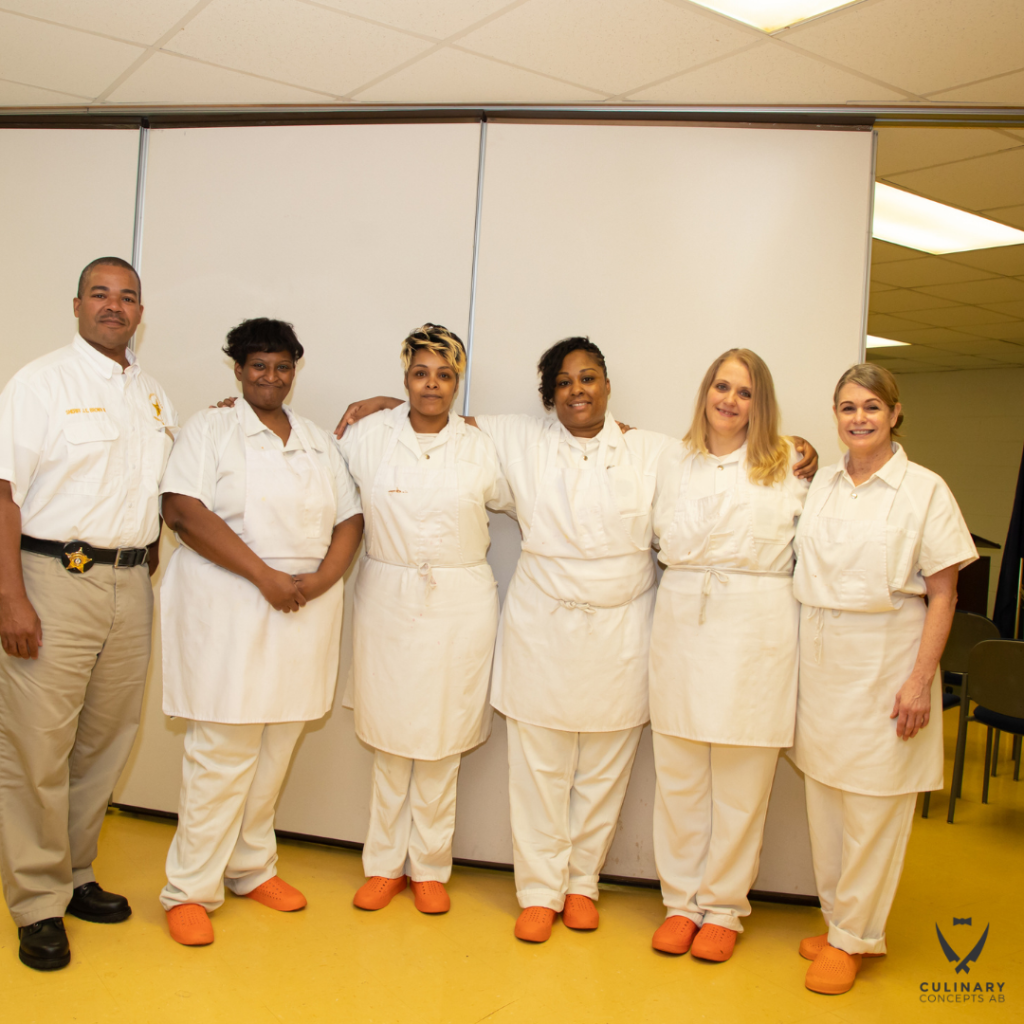
Beyond the quantifiable metrics of job placement and recidivism reduction, the Phoenix Program generates broader, more intangible benefits for the community. It fosters a more inclusive society by providing second chances and demonstrates the immense potential of individuals who have been traditionally overlooked. The program also serves as a powerful example of an effective public-private partnership, bringing together correctional facilities, local businesses, and community organizations to create lasting social change. By providing a skilled workforce and increasing local employment rates, the program contributes to positive economic development, thereby strengthening the local economy and inspiring the community as a whole.
